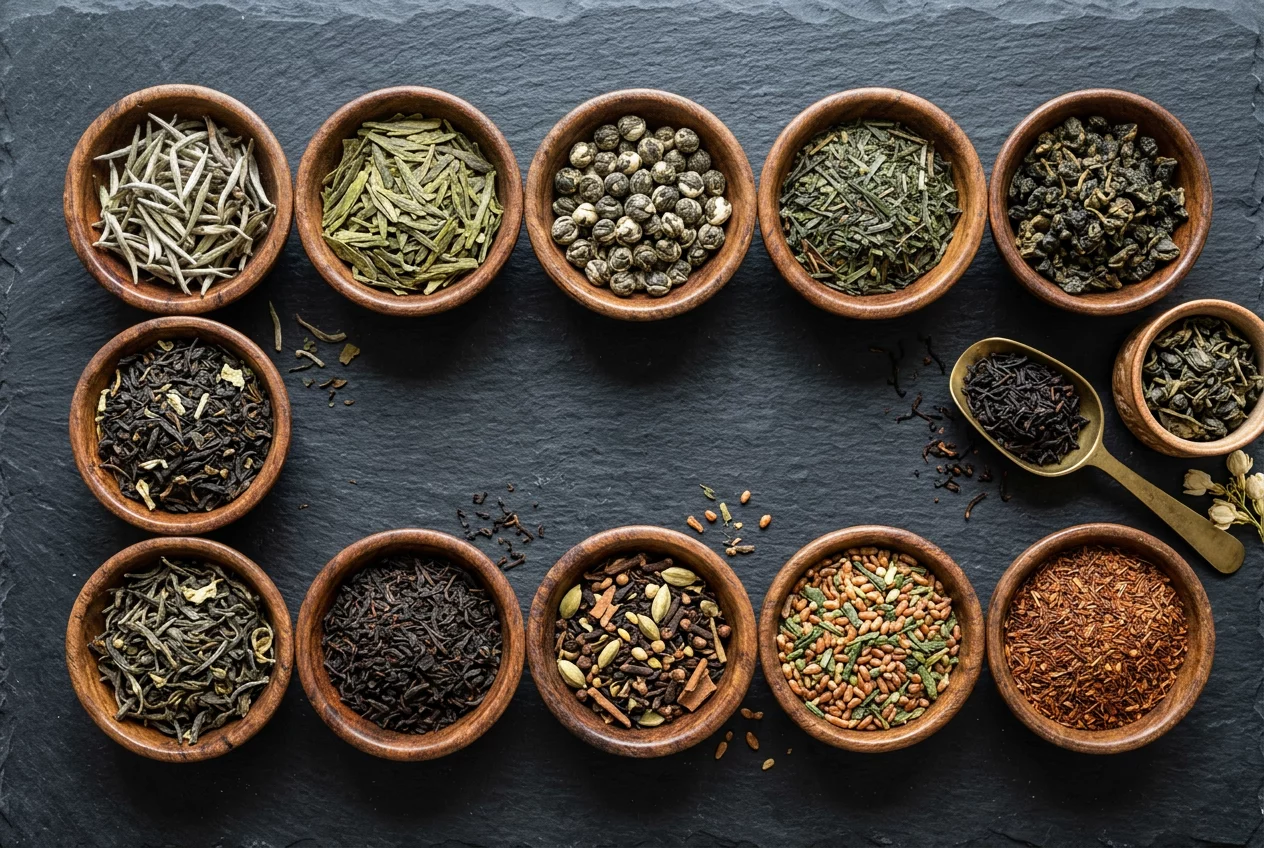
Whether you are a seasoned connoisseur or just beginning your journey into the world of tea, understanding the origin of your brew is essential. It is a common misconception that black, green, and white teas come from different plants. In reality, they all originate from the Camellia sinensis evergreen shrub. The incredible variety we enjoy today is the result of differing cultivation environments and, most importantly, the level of oxidation and processing the leaves undergo after harvesting.
The Delicate Purity of White Tea
White tea is the least processed of all varieties. It is harvested from the young buds and leaves of the plant, often while they are still covered in fine silvery-white hairs. The processing involves only minimal withering and drying, usually in natural sunlight. Because it undergoes almost no oxidation, white tea retains the highest level of antioxidants and possesses a very light, subtle, and naturally sweet flavor profile with floral notes.
The Fresh Vitality of Green Tea
To create green tea, the leaves are harvested and then quickly heated—either by steaming (common in Japan) or pan-firing (common in China)—to prevent oxidation. This heat treatment preserves the chlorophyll and the fresh, grassy characteristics of the leaf. Green teas vary widely in taste, ranging from nutty and toasted to vegetal and umami-rich, depending on the specific region and heat method used.
The Artistic Balance of Oolong
Oolong tea is often considered the most complex to produce. The leaves are partially oxidized, falling somewhere between green and black tea on the scale. Tea masters toss or bruise the leaves to start the oxidation process and then stop it at a precise moment. This can result in teas that are light and floral (low oxidation) or dark, woody, and honeyed (high oxidation). It is a category that truly showcases the skill of the producer.
The Robust Depth of Black Tea
Black tea undergoes a full oxidation process. The leaves are rolled to rupture their cell walls, allowing enzymes to react with oxygen until they turn a dark brown or black color. This process transforms the chemical structure of the leaf, resulting in the bold, tannic, and malty flavors we associate with breakfast blends. While it has slightly less antioxidant content than green tea, it provides a more significant caffeine boost and a deep, satisfying liquor.
Frequently Asked Questions
Does tea type affect caffeine levels?
Yes, generally black tea has the most caffeine, followed by oolong, green, and then white. However, brewing time and water temperature play a massive role in how much caffeine actually ends up in your cup.
What is the best way to store tea leaves?
Store them in a cool, dark, and dry place in an airtight container. Keep them away from strong odors, as tea leaves are porous and will absorb surrounding scents like coffee or spices.

Conversations
Mark V.
2026-07-06I never knew white tea was so delicate. This explains why I sometimes burnt the leaves with boiling water.
Rachel G.
2026-07-07Oolong is my absolute favorite. The variations in flavor from one producer to another are just stunning.
Join the Discussion